AI technologies are poised to optimize power grid operations, improving efficiency and resilience while facilitating the integration of renewable energy sources.AI technologies are poised to optimize power grid operations, improving efficiency and resilience while facilitating the integration of renewable energy sources. By leveraging historical and real-time data, AI can enhance predictive capabilities, addressing the challenges posed by fluctuating energy demands and supply uncertainties. This advancement not only supports cleaner energy initiatives but also positions AI firms at the forefront of the evolving energy landscape.
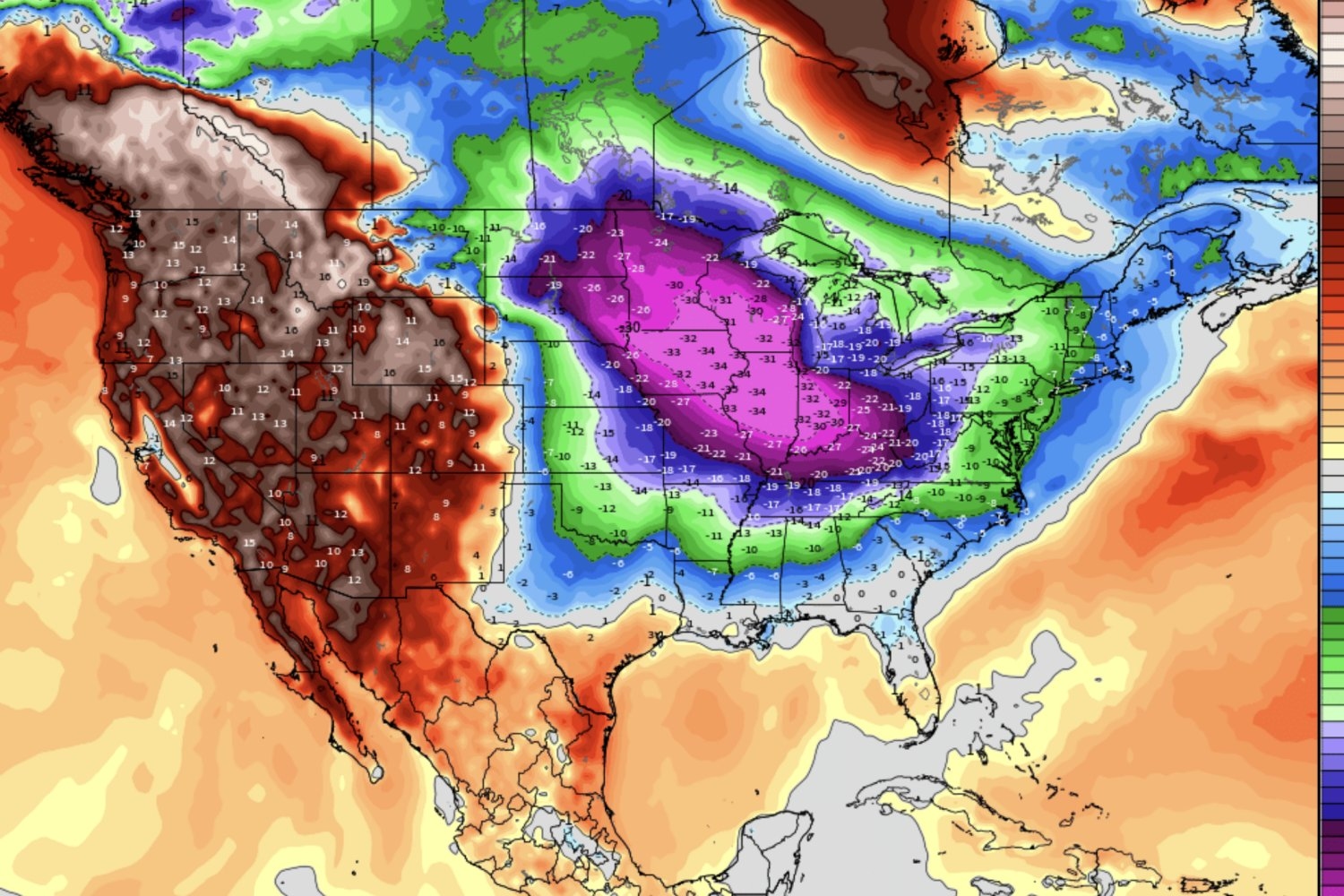
Judah Cohen at MIT is utilizing advanced AI tools to improve subseasonal weather forecasting, focusing on Arctic conditions to predict winter impacts across Europe, Asia, and North America.Judah Cohen at MIT is utilizing advanced AI tools to improve subseasonal weather forecasting, focusing on Arctic conditions to predict winter impacts across Europe, Asia, and North America. This approach, which emphasizes high-latitude indicators over traditional ENSO metrics, could significantly enhance predictive accuracy and inform industries reliant on weather patterns, such as agriculture and energy. As AI continues to evolve in meteorological applications, stakeholders should monitor developments in this area for potential strategic advantages.